
SepticRooter™
Metro Atlanta & North Georgia Septic Experts
 (678) 744-7878
(678) 744-7878
(678) 744-7878
 Our Work
A look at actual jobs our crew has completed across Metro Atlanta — from residential septic systems to commercial grease-trap installations. These are our own photos from our own work, start to finish.
(678) 744-7878
We respond fast · No obligation · Licensed experts
 Commercial — Grease Trap Installation
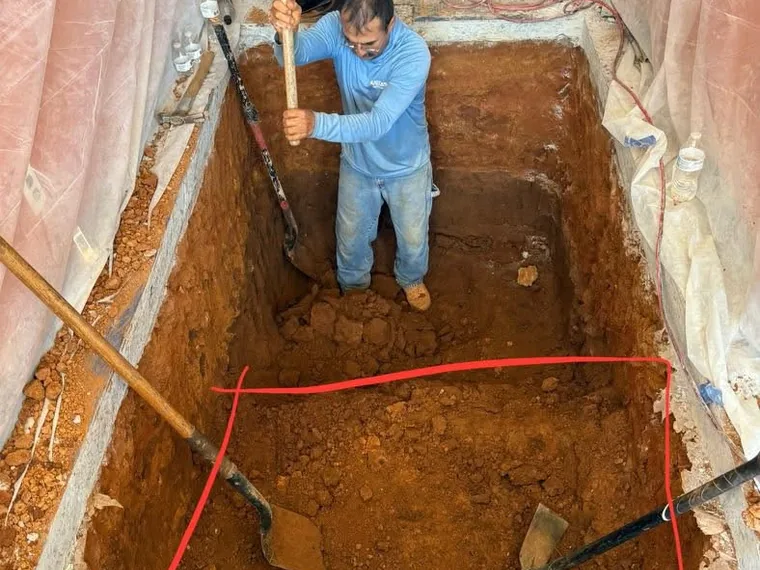
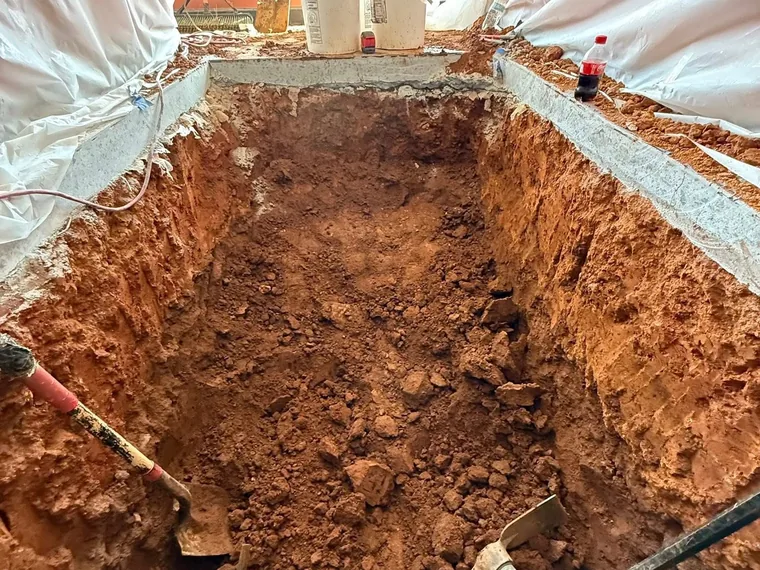
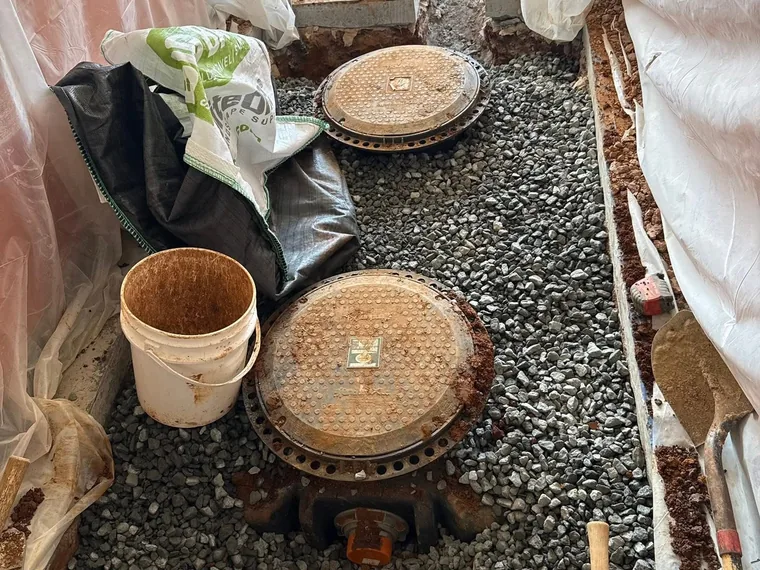
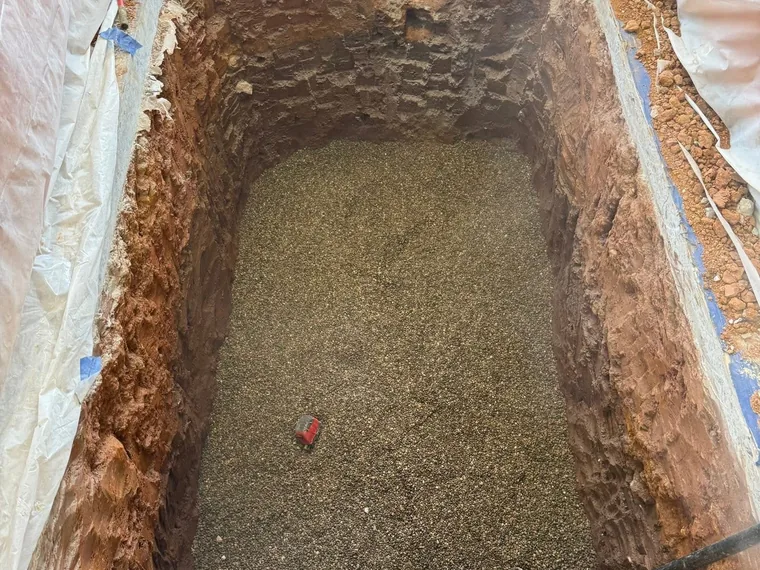
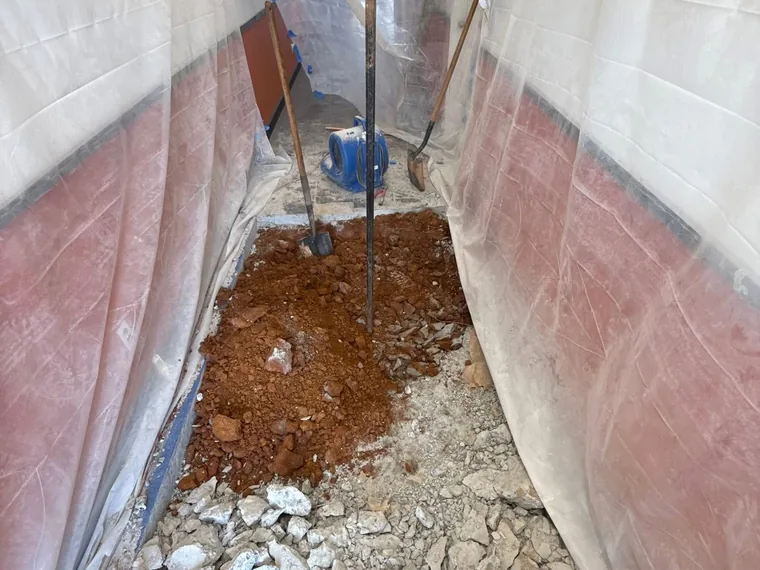
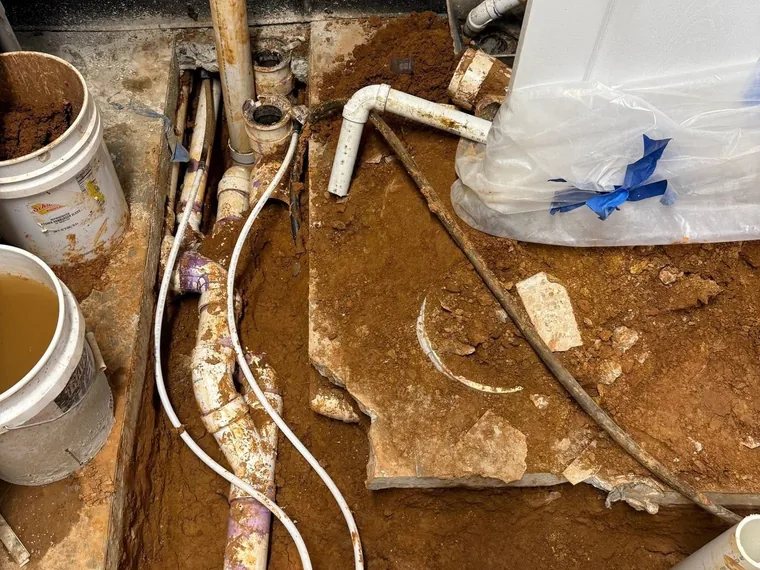
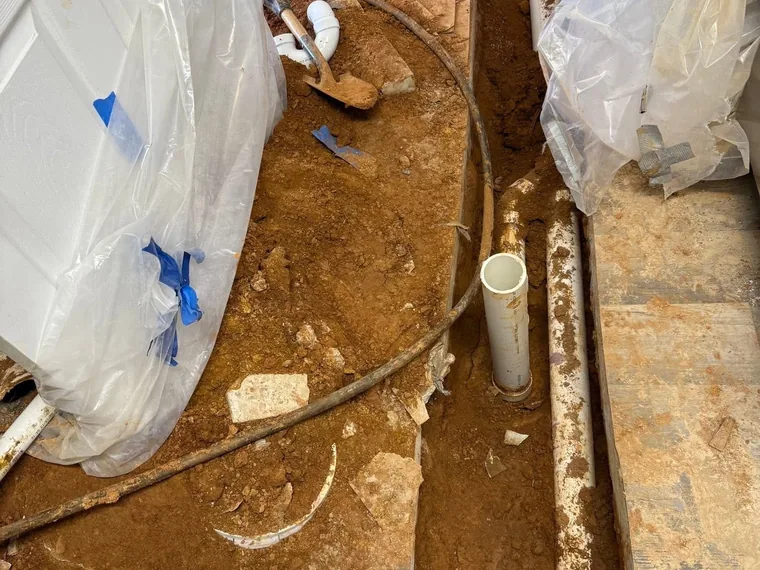
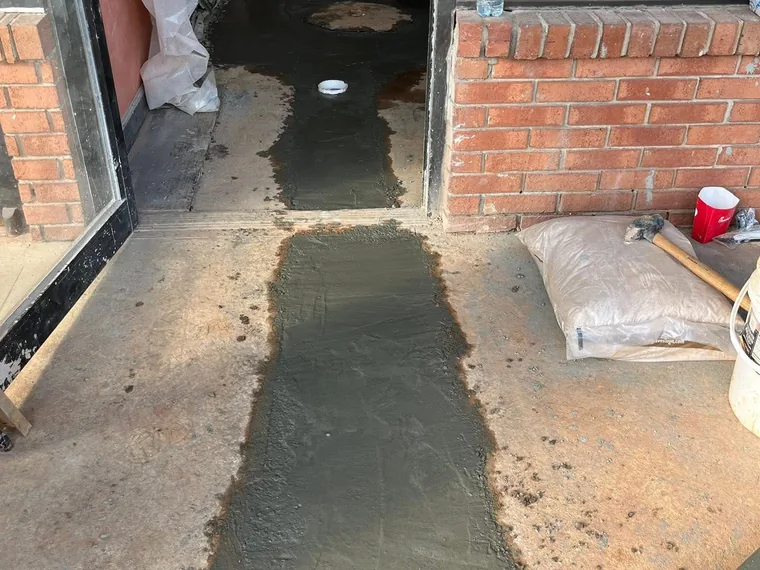
A commercial grease-trap (grease interceptor) installation for a Blimpie restaurant in Marietta, Georgia. Working inside an occupied retail space, our crew built dust-containment, saw-cut and removed the interior slab, hand-excavated for the two-compartment interceptor, rerouted the under-slab drain lines, set the tank on a leveled gravel base, and restored the concrete floor flush around the access lids — hauling every bit of spoil off-site.
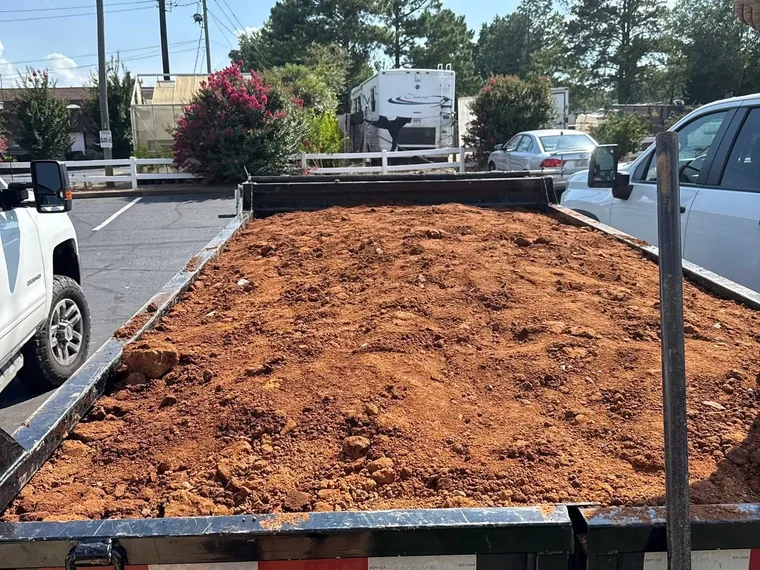
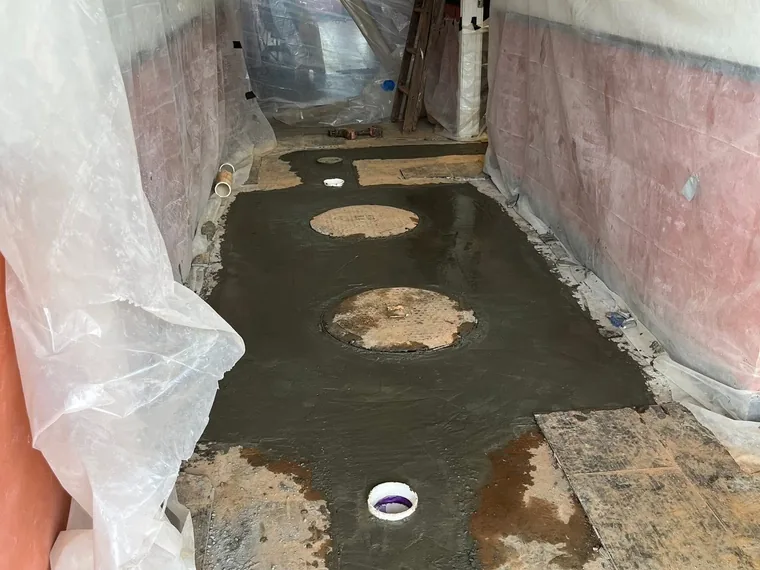
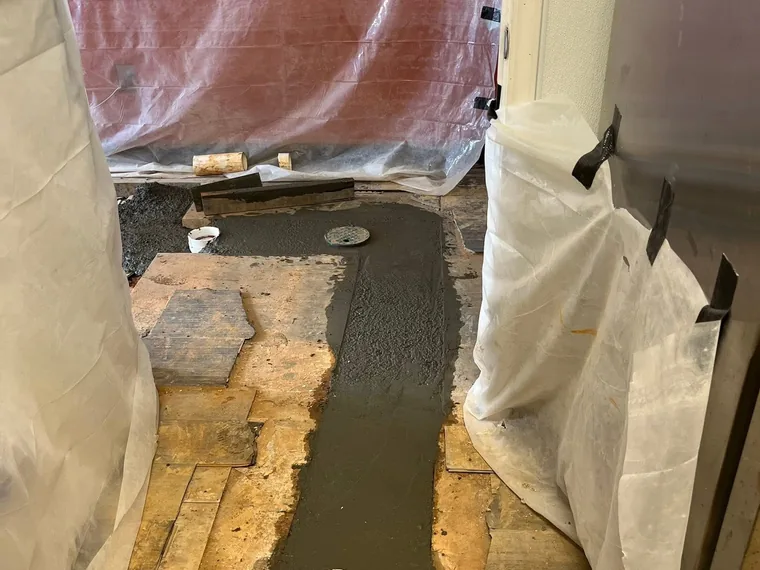
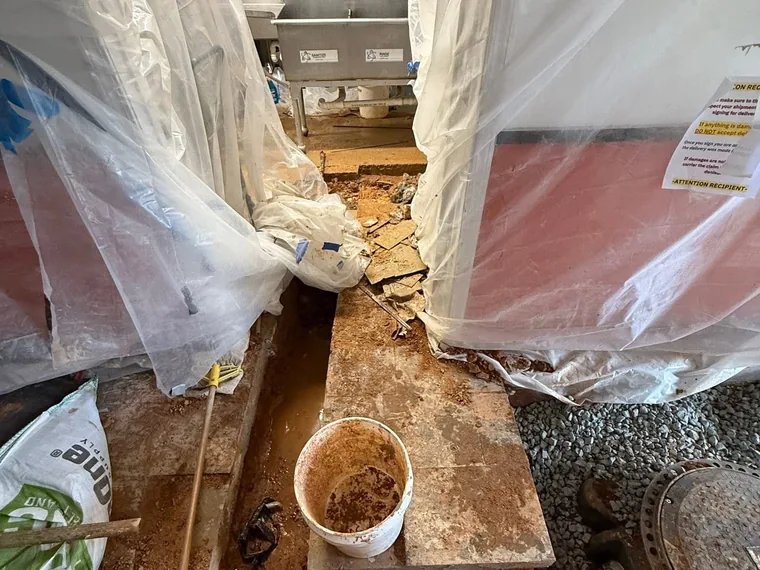 Residential — Drain Field Replacement
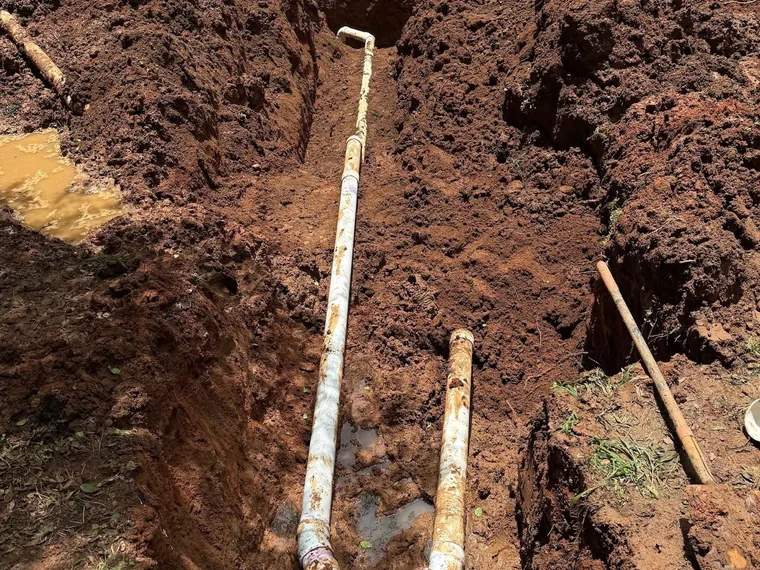
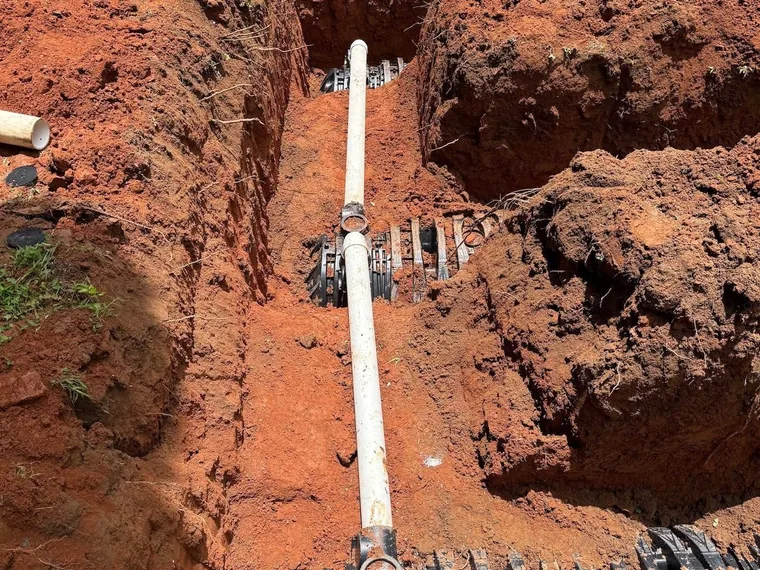
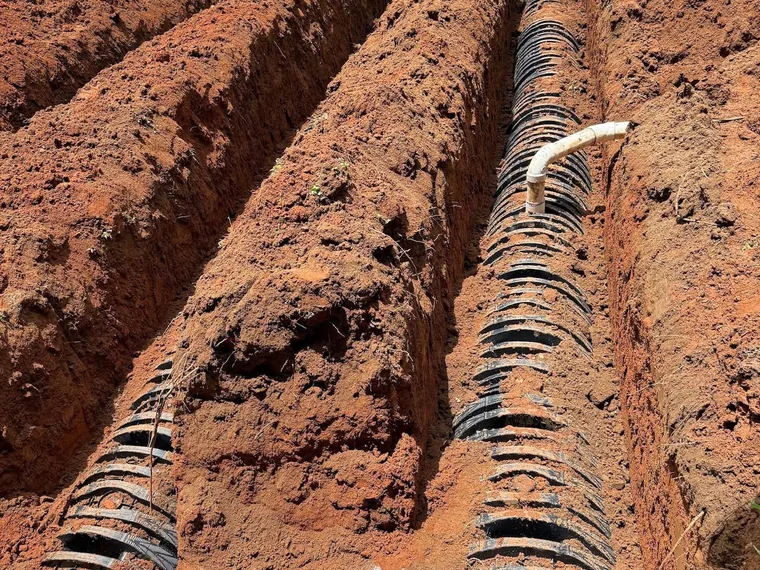
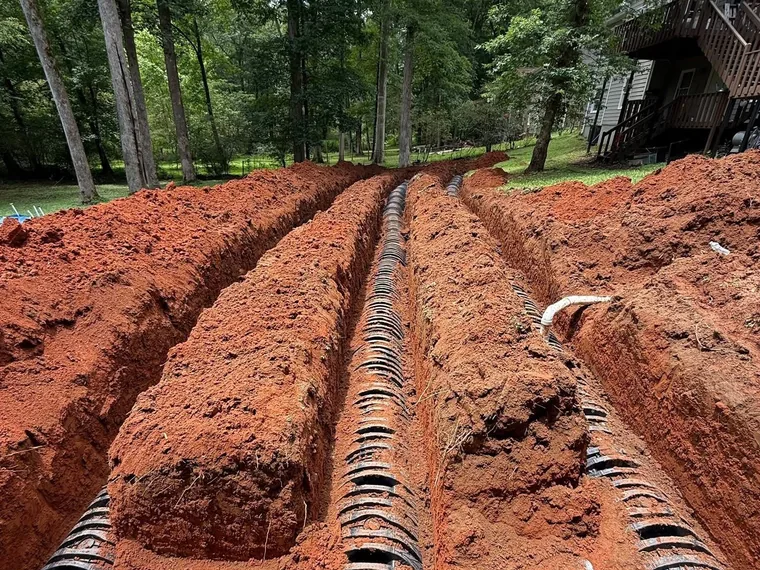
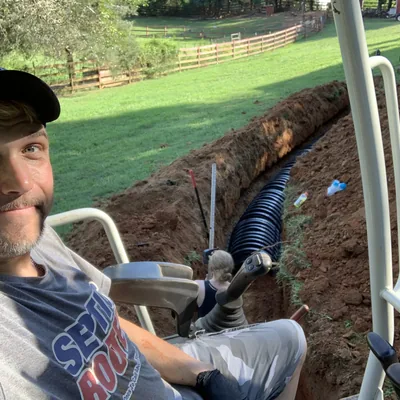
A full residential drain-field (leach-field) replacement on a wooded, sloping lot in Dacula, Georgia. Our crew trenched new field lines into the heavy Georgia red clay, set chamber-style leaching units, and tied them together with PVC distribution piping so effluent spreads evenly across the field — a complete replacement that gets a failing system draining properly again.
 Commercial — Lift Station Repair
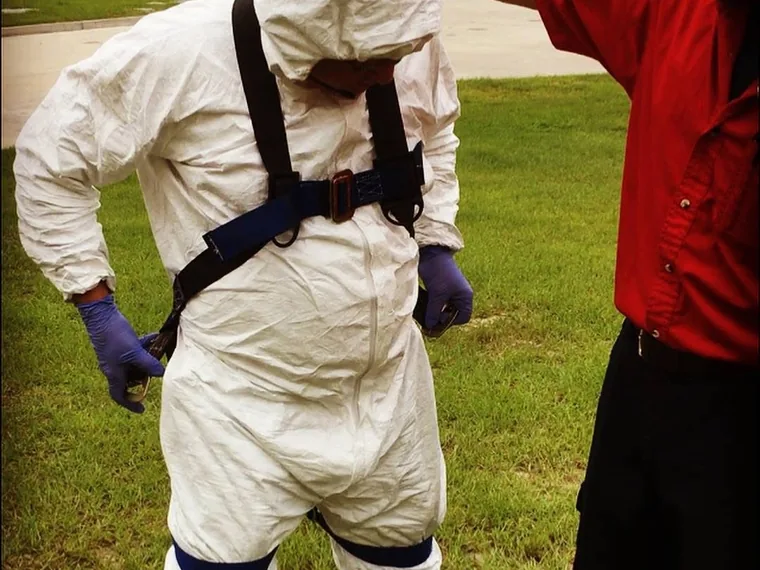
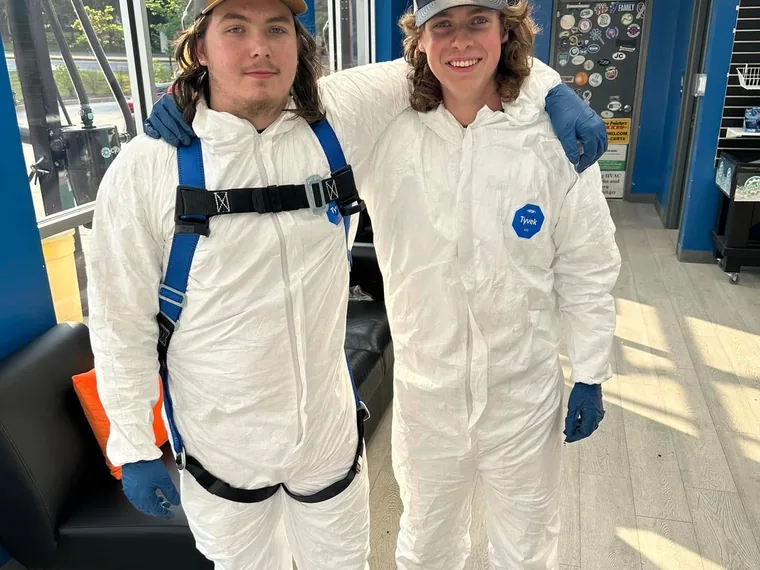
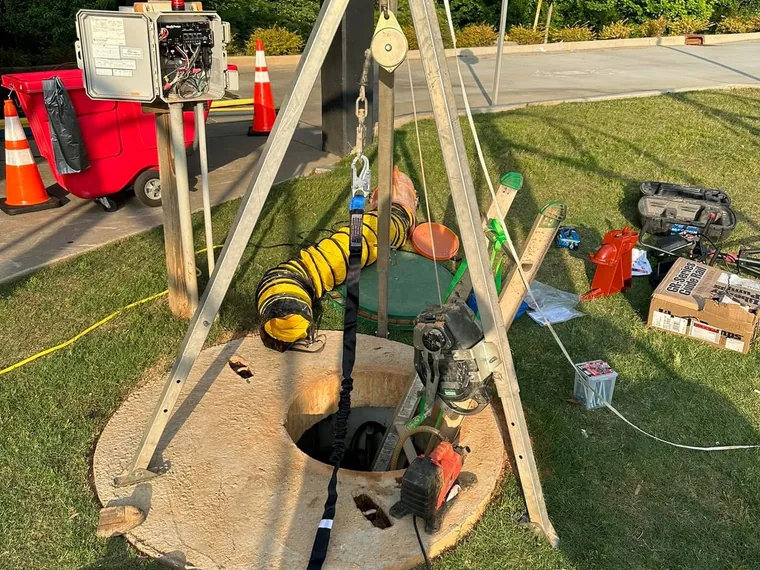
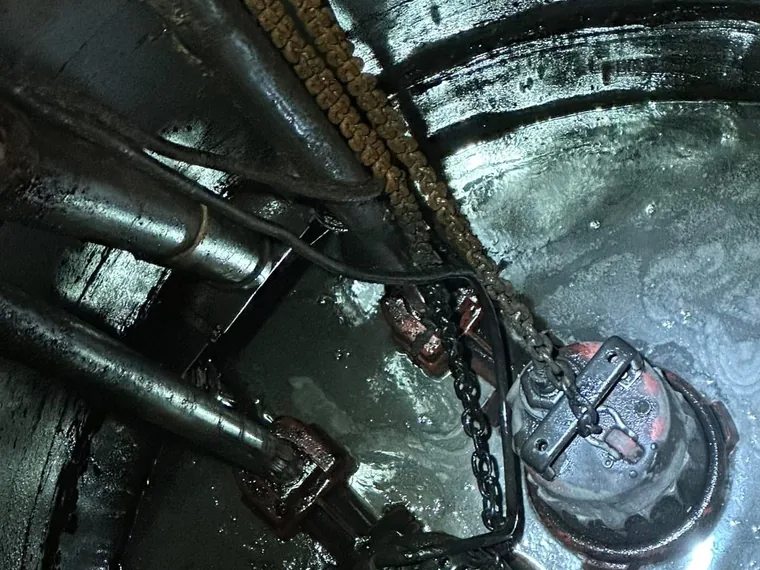
A confined-space lift station repair at a car wash in Tucker, Georgia. A lift station is a below-grade wet well that collects wastewater and pumps it up to the sewer or drain field. Entering one safely is serious work — our crew suits up in Tyvek and fall-protection harnesses, rigs a tripod hoist with a retrieval line and forced-air ventilation over the manhole, then goes down to service the submersible pump and float controls in the well. Safety rigging first, repair second.
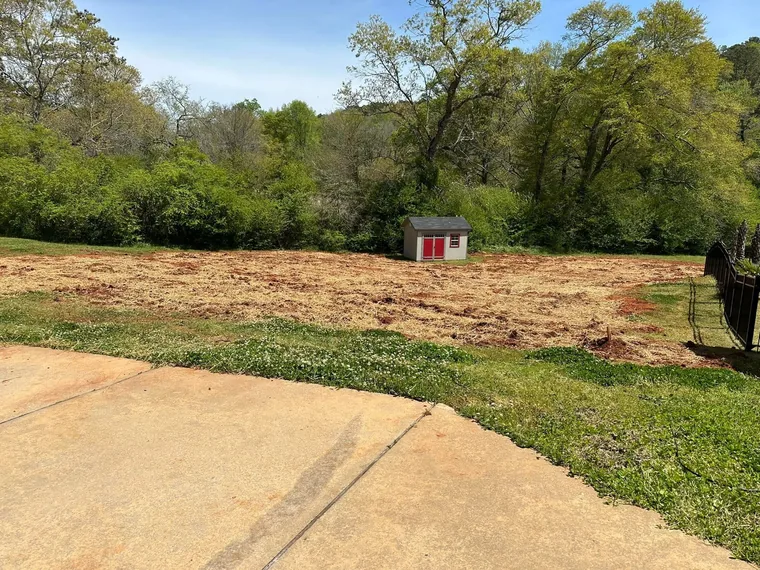
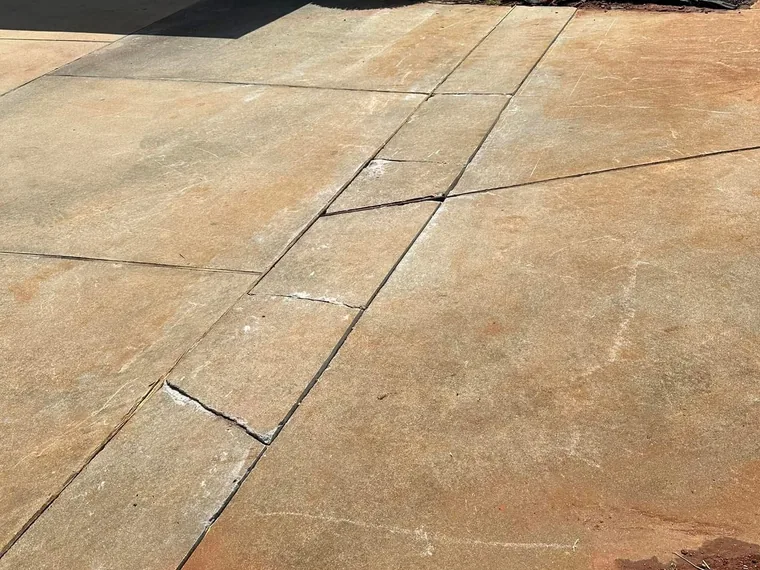
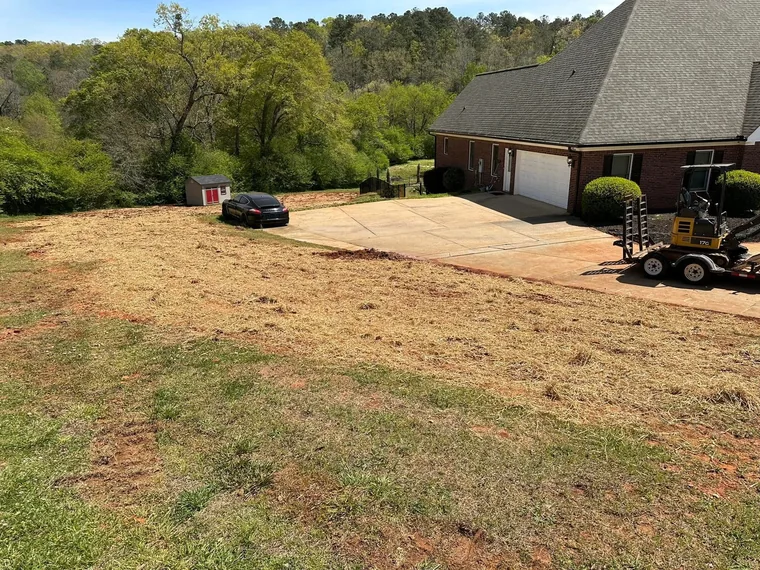
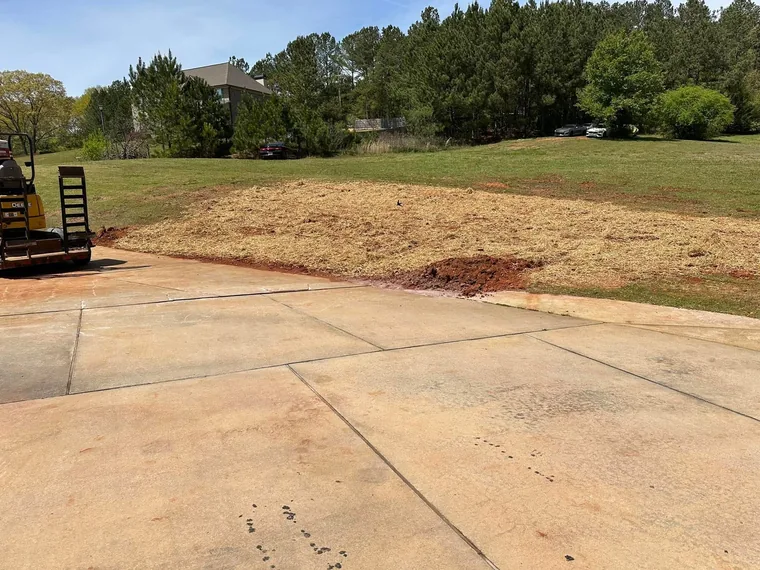
 Residential — Drain Field Replacement & Driveway Repair
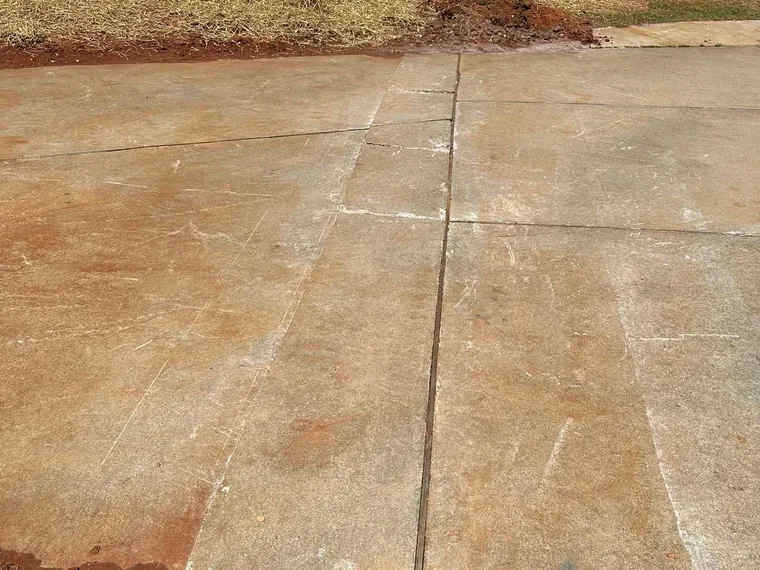
A full drain field replacement at a residential property in McDonough, Georgia, complicated by a drain field that ran beneath the concrete driveway. Accessing it required cutting and removing sections of the driveway, excavating and replacing the failed field, then repairing and re-seaming the concrete. The finished yard was seeded and strawed for erosion control. This is the kind of job most contractors decline — it requires coordinating excavation, concrete work, and drain field engineering in sequence, with no shortcuts on any of them.

Regular pumping removes solids before they reach your drain field — most homes need service every 3 to 5 years.
“Flushable” wipes don't break down and grease coats your tank — both accelerate failure fast.
Back-to-back showers, laundry, and dishwasher cycles can overwhelm the system. Space them out.
Tree and shrub roots seek out moisture and invade tanks and lines — a leading cause of repairs.
Don't park or drive over the drain field — compaction crushes lines and ruins percolation.
Slow drains, odors, or lush green patches in the yard are early warnings — don't ignore them.
Save pumping and repair records — they help at resale and speed up any future diagnosis.
Catching problems early in Metro Atlanta almost always means a cheaper, simpler fix.





The SepticRooter Family & Crew
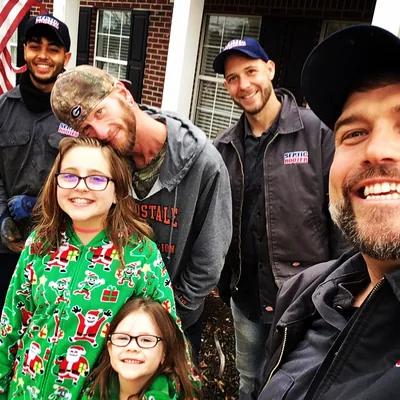
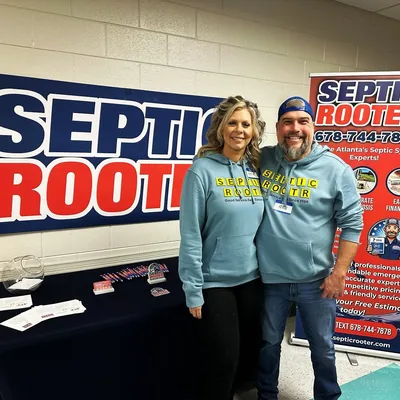
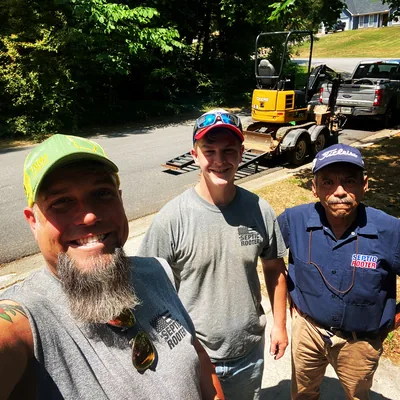
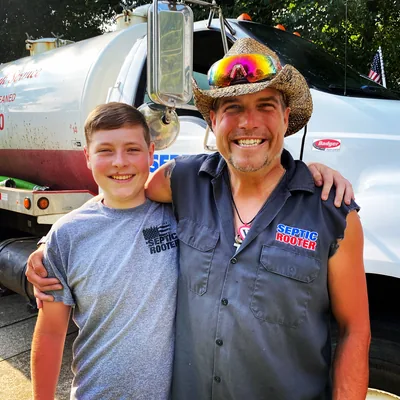
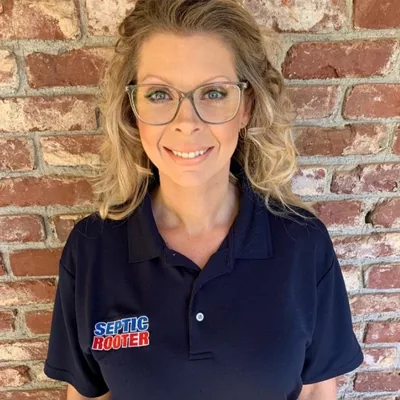
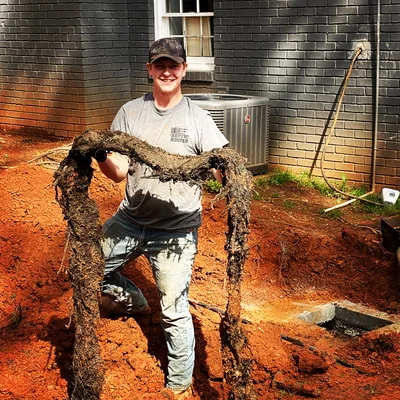
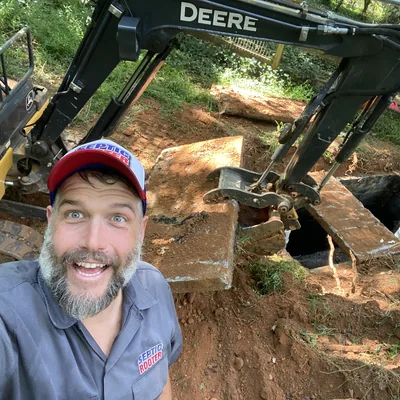
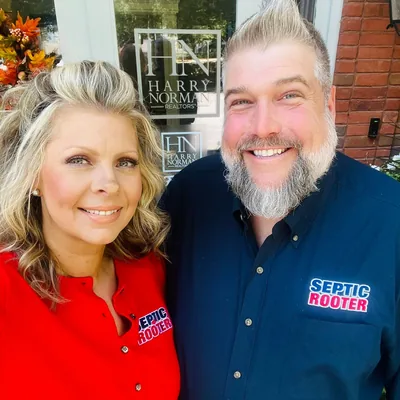
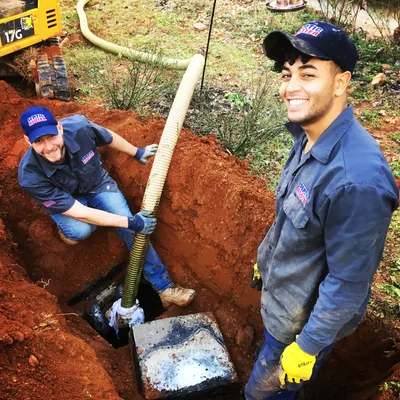
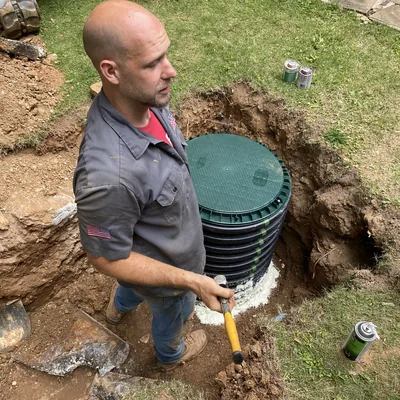
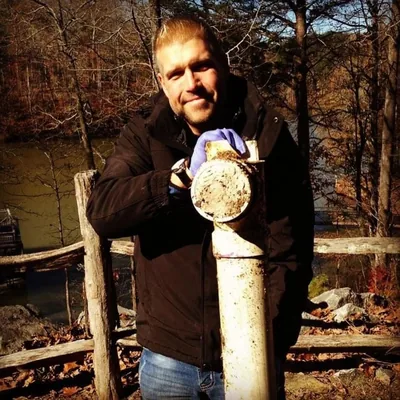
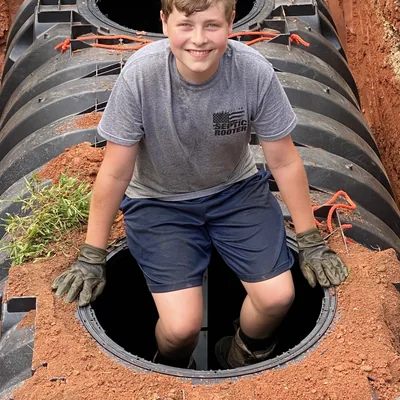
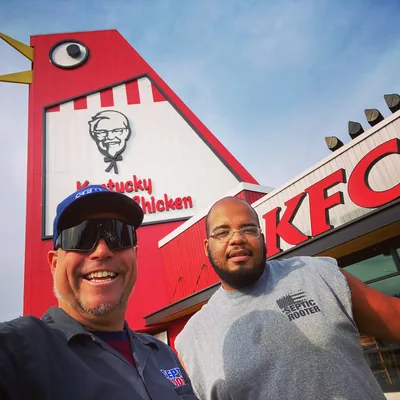
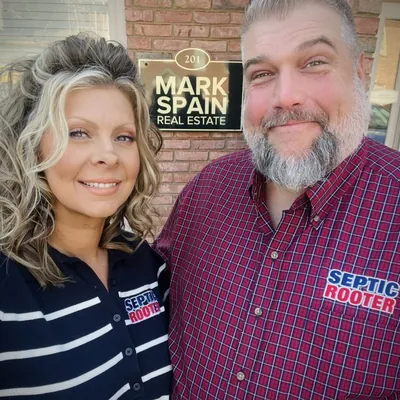

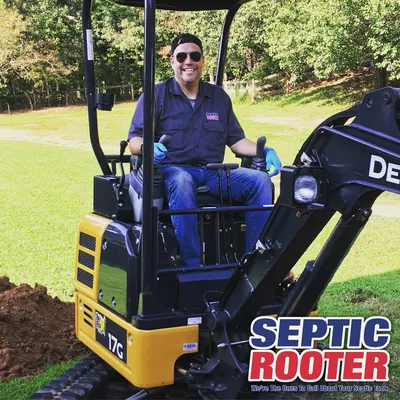
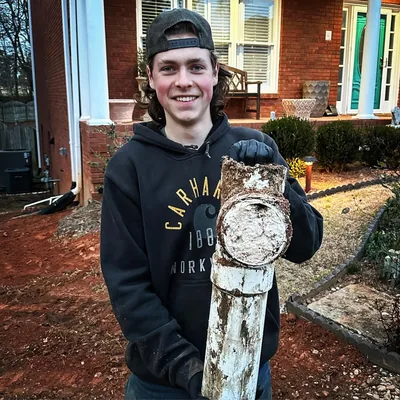
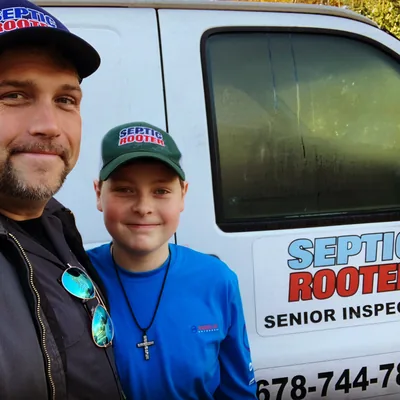
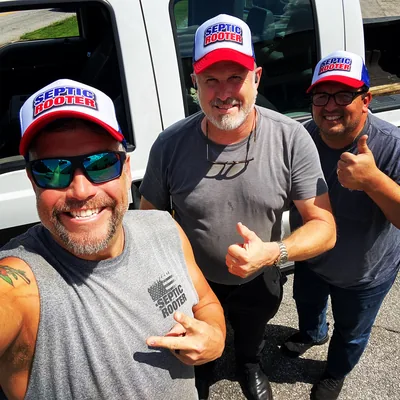

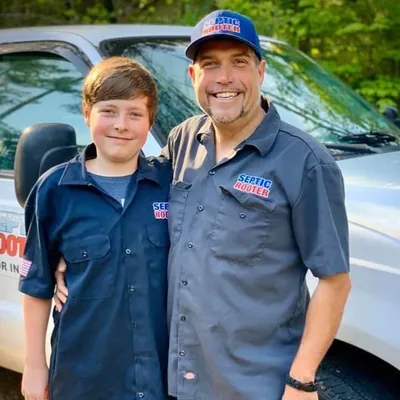
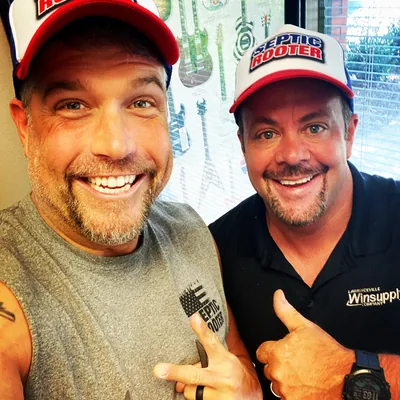
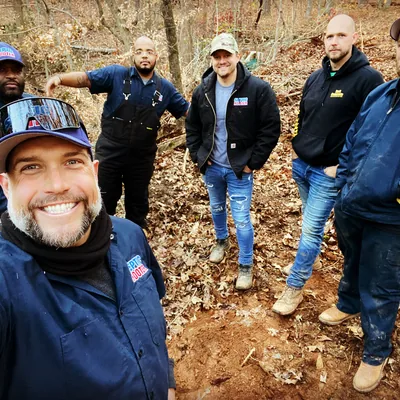
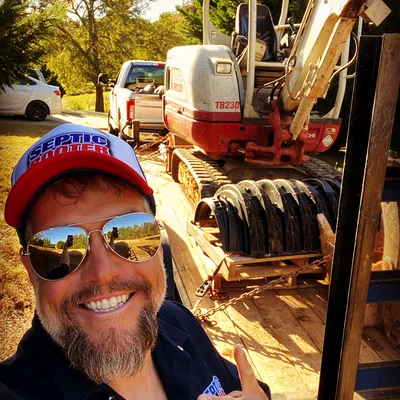
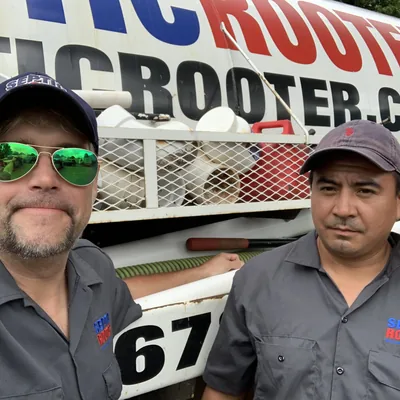
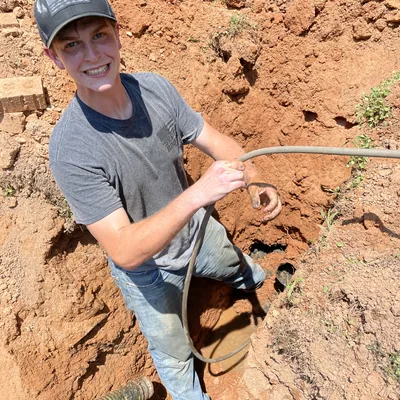
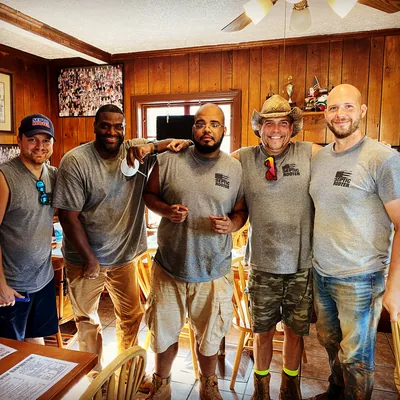

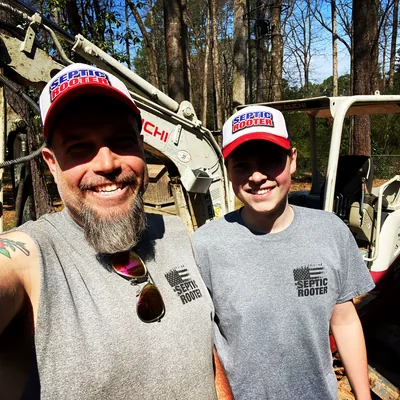

Our licensed technicians will help you figure out the right solution — no pressure, no runaround.
(678) 744-7878
 GA Licensed & Insured