
SepticRooter™
Metro Atlanta & North Georgia Septic Experts
 (678) 744-7878
(678) 744-7878
(678) 744-7878
Most closings survive septic problems, but only when the diagnosis, estimate, and county timeline get handled quickly.
(678) 744-7878
 First Step
Failed is not a standardized term. It may mean a missing riser lid, a tank that could not be fully evaluated, a bad pump, a blocked line, or a drain field that is not accepting effluent.
Ask for the written report, not a phone summary. If the report says the system could not be fully evaluated, that is different from a documented failure.
For the broader negotiation question, see our guide on who pays for septic during a home sale.
Georgia Transfer RealityCounty environmental health requirements vary. Some transfers need septic documentation, some repairs need permits, and turnaround times change by county and season.
Do not rely on what happened in a neighboring county. Call the environmental health office for the county where the property sits and build that timeline into the closing plan.
Contract Clock Resolution PathsCleanest when there is enough time for repair, inspection, and documentation.
Works for defined problems with firm estimates, subject to lender and contract limits.
Useful when the repair is agreed but weather, permits, or scheduling push work past closing.
Usually driven by uncertainty or a serious field failure that the parties cannot absorb.
Buyer And Seller NotesBuyers should ask whether the inspection evaluated the drain field or only the tank, whether the tank was pumped, and whether county records match the house as it stands now.
Sellers can avoid the worst timing by getting a pre-listing septic evaluation, especially when the system is older, has had alarms or backups, or has unclear maintenance history.
If the failure involves a field diagnosis, also read failing field or clogged line.
Good To Know




 More Homeowner Guides
Real answers to the questions Georgia homeowners ask most often.
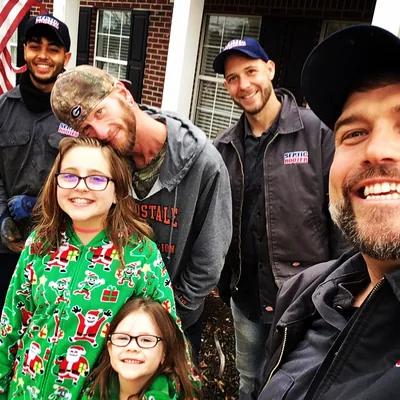
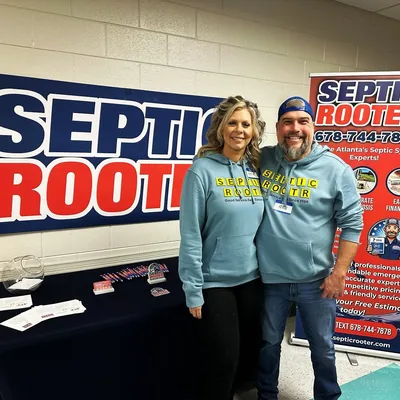
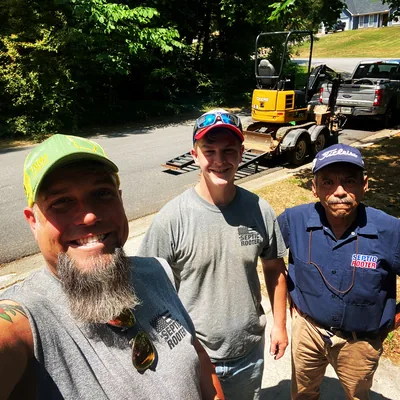
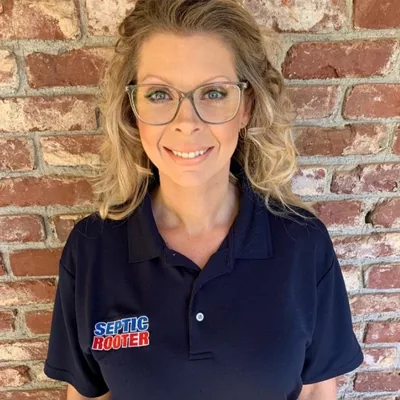
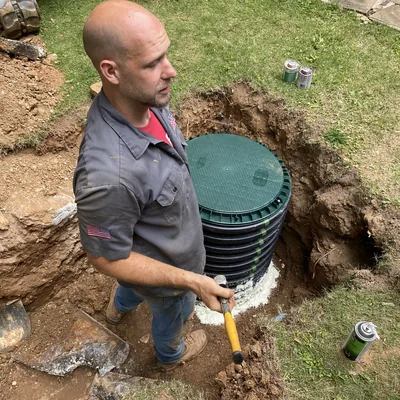
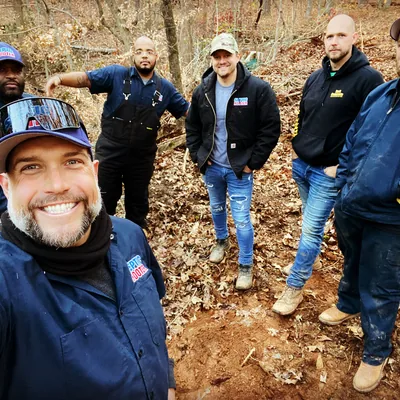
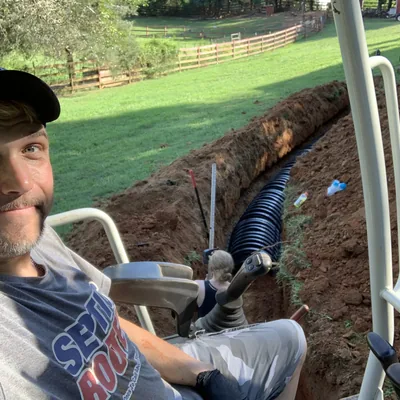
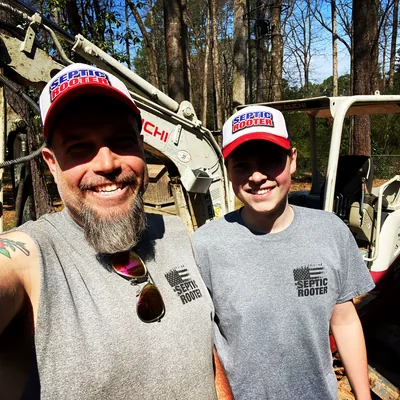
The SepticRooter Family & Crew




















Describe your situation and we'll point you in the right direction — no pressure, no runaround.
(678) 744-7878