SepticRooter™
Metro Atlanta & North Georgia Septic Experts
 (678) 744-7878
(678) 744-7878
(678) 744-7878
Some additives may be harmless when used as directed. The problem is believing they can fix a mechanical, hydraulic, or drain field issue.
(678) 744-7878
 The Honest Answer
A healthy septic tank already contains bacteria. That biology is part of how the system separates and digests household wastewater.
Some enzyme or bacteria additives may not hurt anything when used as directed, but they do not replace pumping, inspection, diagnosis, or repair.
The risky part is false confidence. If you are using an additive because drains are slow, toilets gurgle, odors show up, or the yard is wet, the additive is not addressing the real question.
What They Claim| Claim | What to know |
|---|---|
| Break down waste | A normal tank already has bacterial activity. Additives do not make solids disappear instantly. |
| Prevent pumping | No additive removes non-digestible solids, grit, grease accumulation, or sludge that must be pumped out. |
| Fix odors | Odor is a symptom. It may come from plumbing, venting, tank condition, field stress, or a backup path. |
| Clear backups | Additives do not remove roots, repair pumps, clear collapsed pipe, or restore a failed field. |
Types Of AdditivesEnzyme and bacteria products are generally marketed as maintenance helpers. They should still be treated as optional, not essential.
Harsh chemicals, solvents, paint, pesticides, fuel, and repeated drain-cleaner use are different. Those products can disrupt the tank and should not be poured into drains.
For the broader list, see what not to put in a septic system.
False ConfidenceThe issue may be a clog, overloaded field, pump problem, or house-side plumbing issue.
Odor should be traced, not covered up.
That can point to drain field stress or surfacing effluent.
If symptoms return after pumping, the cause is often downstream of the tank.
What Actually Protects A Septic System Good To Know




 More Homeowner Guides
Real answers to the questions Georgia homeowners ask most often.
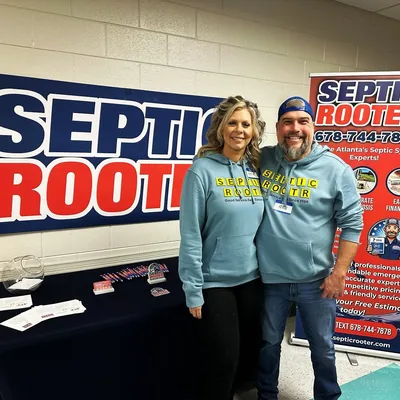
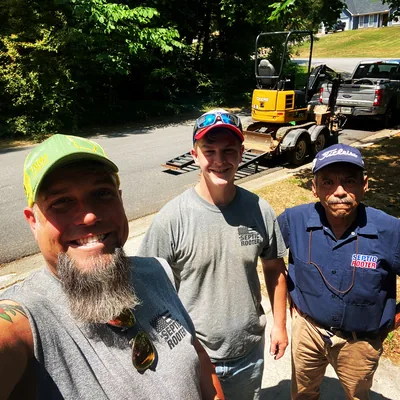
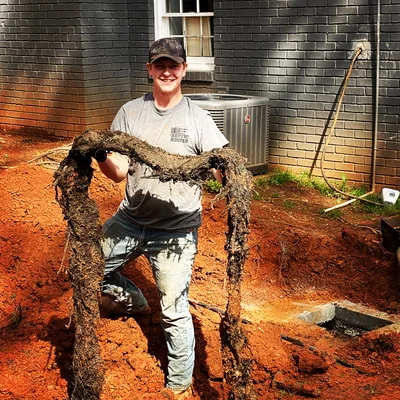
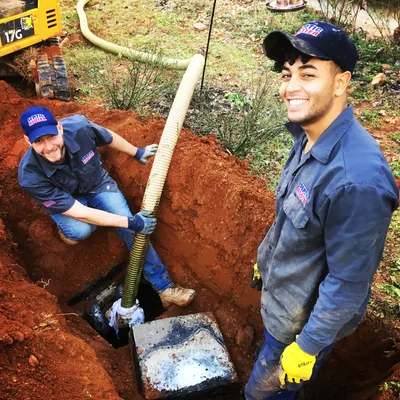
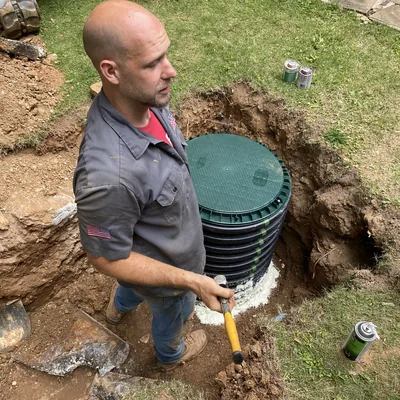
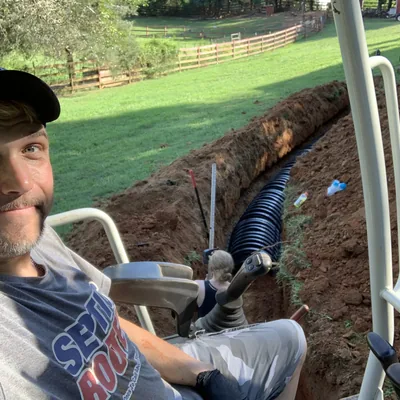
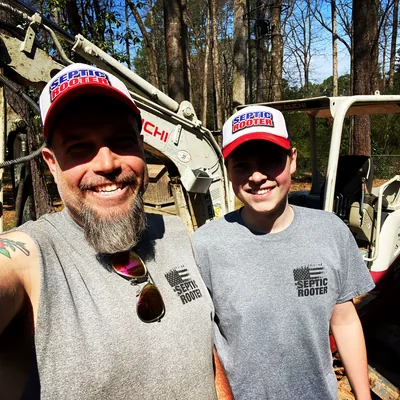
The SepticRooter Family & Crew















Describe your situation and we'll point you in the right direction — no pressure, no runaround.
(678) 744-7878