SepticRooter™
Metro Atlanta & North Georgia Septic Experts
 (678) 744-7878
(678) 744-7878
(678) 744-7878
A septic system is a living treatment system. The easiest way to avoid expensive trouble is to stop sending it things it was never designed to handle.
(678) 744-7878
 The Rule
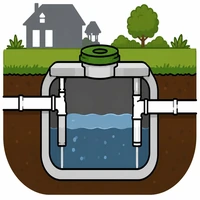
Your septic tank separates solids, grease, and liquid. Bacteria break down some organic material, while clarified liquid moves to the drain field for soil treatment.
Anything that will not break down, anything that adds heavy grease or solids, and anything that disrupts the biology of the tank can shorten the system's life.
The drain field is the expensive part. Good disposal habits are mostly about keeping solids, grease, and harsh materials from reaching it.
Never Flush TheseEven wipes labeled flushable do not behave like toilet paper in septic systems.
They are built to stay strong when wet, which is exactly the wrong trait in a septic tank.
Tampons, pads, wrappers, and applicators belong in the trash, not the toilet.
Cotton swabs, cotton balls, dental floss, and diapers can tangle, block, and accumulate.
It adds solids and can create hard, heavy material the system was not designed to process.
Do not use your drains as a disposal route for medicines. Use a proper take-back option when available.
Kitchen HabitsGrease, fats, and oils may go down the sink as liquid, but they cool, float, coat pipes, and add load to the tank.
Food scraps add solids. A garbage disposal can make that worse by sending ground-up food into a system designed for wastewater, not kitchen waste.
Scrape plates into the trash, wipe grease from pans before washing, and avoid using the sink as a disposal system.
ChemicalsNormal household cleaning, used reasonably, is different from dumping harsh chemicals into the drain.
Water HabitsA septic system needs time to separate and treat wastewater. Large bursts of water can push solids through the tank and overload the field.
Spread laundry through the week, repair running toilets, fix dripping fixtures, and keep water softener or treatment equipment from dumping unnecessary volume into the septic system.
If multiple drains are slow or backing up, start with why drains back up and backups after pumping.
Warning SignsThat often means the issue is downstream of a single fixture.
Air movement can signal a restriction or overloaded system.
Odor indoors or outdoors is not normal.
The drain field may be receiving more than it can accept.
Good To Know




 More Homeowner Guides
Real answers to the questions Georgia homeowners ask most often.
The SepticRooter Family & Crew

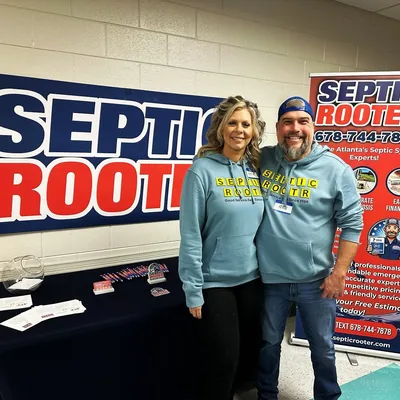


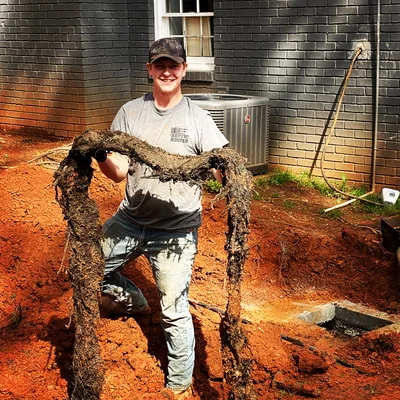

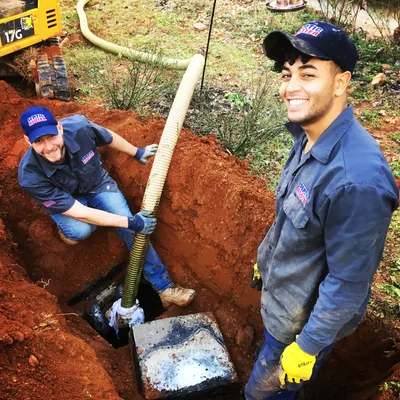
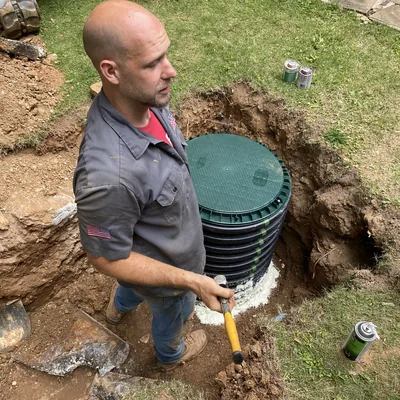













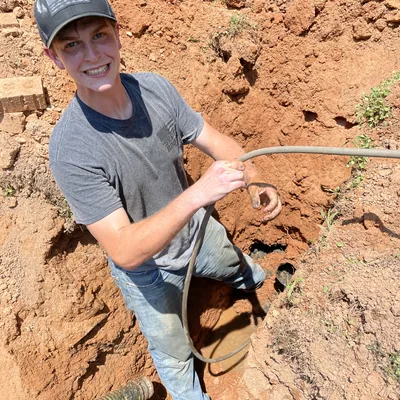

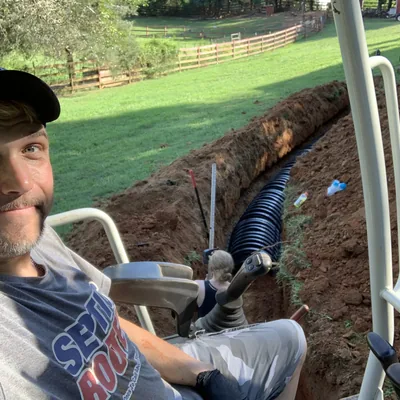



Describe your situation and we'll point you in the right direction — no pressure, no runaround.
(678) 744-7878