BBB A+ Rated Since 1989 · Licensed & Insured · Metro Atlanta & North Georgia CALL (678) 744-7878
Homeowner Guide · Drain Fields

CHAMBER DRAIN FIELDS
IN GEORGIA

Chamber systems are common across Metro Atlanta and North Georgia, especially where soil conditions, site layout, or county requirements call for more storage and distribution than older gravel-and-pipe layouts.

(678) 744-7878

The Basics

WHAT A CHAMBER DRAIN FIELD DOES

A septic tank separates solids from wastewater. The clarified liquid, called effluent, then leaves the tank and enters the drain field, where soil finishes the treatment process.

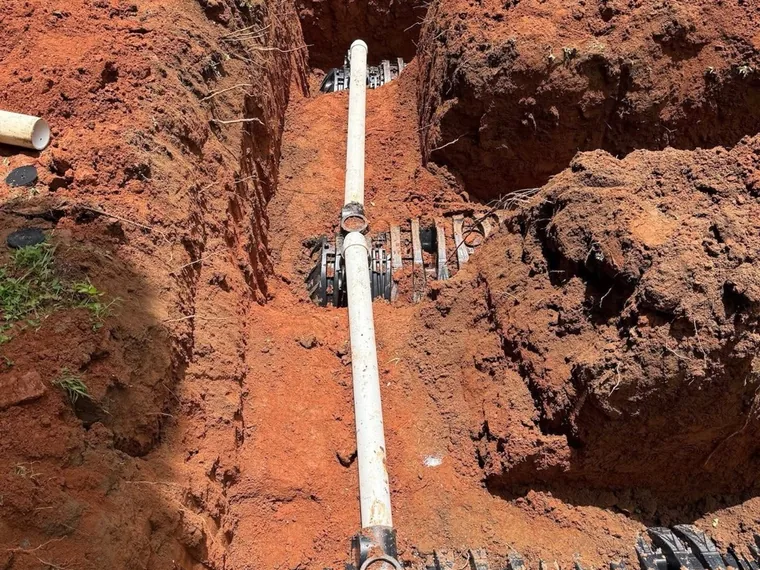
In a chamber drain field, that effluent flows through open-bottom plastic chambers set in trenches. The chambers create storage space and distribute water across the trench so the soil below can absorb and treat it.

The chamber is not the treatment by itself. The soil is still doing the critical work. That is why proper sizing, soil evaluation, installation depth, and water management matter.

How It Differs

CHAMBERS VS. GRAVEL AND PIPE

FeatureChamber fieldGravel-and-pipe field
Main structureOpen-bottom chambers placed in trenchesPerforated pipe surrounded by gravel
Storage volumeUsually more open space inside the trenchStorage depends on gravel void space
InstallationNo gravel hauling for the chamber portionRequires gravel delivery and placement
PerformanceStill depends on soil acceptanceStill depends on soil acceptance
Why Counties Use Them

THE DESIGN STILL HAS TO MATCH THE PROPERTY

Georgia counties and environmental health offices may approve chamber systems because they can provide useful storage volume, reduce the need for gravel, and work well in many residential layouts.

That does not mean every property is a chamber candidate. Soil type, slope, available area, setbacks, house size, water use, and prior system history all affect the design.

A good contractor should be able to explain why a chamber field is being recommended for your property, not just say that it is what they install.

Told your drain field failed?
Get the evidence before committing to replacement.
678-744-7878
Common Problems

CHAMBER FIELDS CAN STILL FAIL

Hydraulic overload

Too much water reaches the field faster than the soil can accept it.

Solids carryover

A neglected tank, missing baffle, or damaged outlet can send solids into the field and clog the soil interface.

Surface water intrusion

Downspouts, driveway runoff, or poor grading can keep the field saturated.

Compaction

Vehicles, equipment, sheds, patios, or heavy traffic over the field can crush soil structure.

Root intrusion

Trees and shrubs can invade lines and distribution areas where moisture is available.

Poor installation or sizing

Even a good product fails when the design or installation does not match the site.

Failure Signs

WHAT HOMEOWNERS NOTICE FIRST

Chamber field problems usually show up as the same symptoms as other drain field problems.

Repair Or Replacement

DO NOT SKIP THE DIAGNOSIS

A chamber field problem is not automatically a full replacement. Sometimes the issue is a pump, float, broken line, distribution problem, surface water problem, or one overloaded section.

If a contractor says the field has failed, ask what evidence supports that conclusion. Our guides on failing field vs. clogged line and repair vs. replacement explain the decision points.

When replacement is the right answer, the system should be designed for the actual property, not copied from a generic layout. See our septic replacement page for how we approach that work.

COMMON QUESTIONS

Are chamber drain fields good?
Yes, when they are designed and installed correctly for the property. They are common in Georgia, but they still depend on suitable soil and proper water use.
Do chamber systems last longer than gravel systems?
Product type is only one factor. Soil, installation quality, household water use, maintenance, and surface drainage usually matter more.
Can a chamber drain field be repaired?
Sometimes. A line, distribution issue, pump issue, surface-water problem, or partial field issue may be repairable. A fully clogged soil interface usually points toward replacement.
Can I drive over a chamber drain field?
No. Keep vehicles, equipment, sheds, patios, and heavy traffic off the drain field area.
Why does my chamber field smell after rain?
Rain can saturate the soil around a weak field and expose a capacity problem. It can also reveal surface drainage problems that need correction.
Who decides whether chambers can be used?
Your county environmental health office reviews septic design and permitting. A licensed contractor should coordinate the design and explain the county process.
35+ Years
Serving Metro Atlanta
GA Licensed
State Certified
BBB A+
BBB A+ Rated
Accredited Since 1989
NAWT Certified
Industry Certified
Fully Insured
You are protected
Eljen Certified
Alternative Systems
More Homeowner Guides

MORE ANSWERS FROM THE FIELD

Real answers to the questions Georgia homeowners ask most often.

→ Why Is My Septic Alarm Going Off?→ Why Does My Yard Smell Like Sewage?→ Why Are My Drains Backing Up?→ Should I Pump My Septic Tank or Get It Repaired?→ How Much Does Septic System Replacement Cost in Georgia?→ What Are the Signs of a Failed Drain Field?→ Who Pays for a Failed Septic System During a Home Sale?→ Can a Septic Tank Be Under a Deck or Patio?→ How Much Does Septic System Replacement Cost in Roswell, GA?→ How Much Does Septic System Replacement Cost in Marietta, GA?→ Why Your Septic Alarm Goes Off After Heavy Rain→ Why Drains Back Up After Septic Pumping→ Failing Drain Field or Clogged Line?→ Failed Septic Inspection in Georgia?→ Septic Repair vs. Replacement→ What Not to Put in a Septic System→ Are Septic Additives Like Rid-X Safe?

The SepticRooter Family & Crew
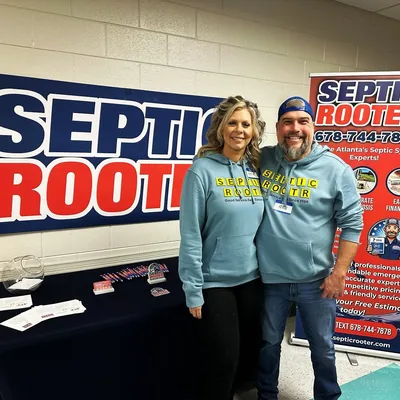
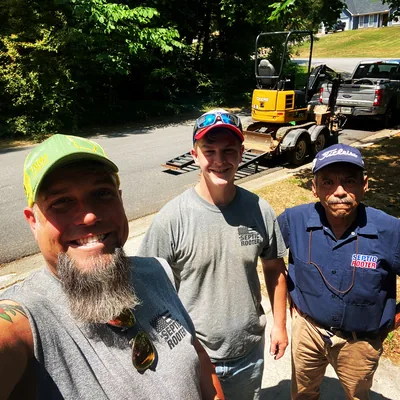
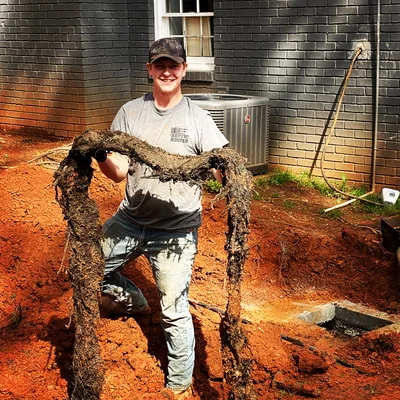
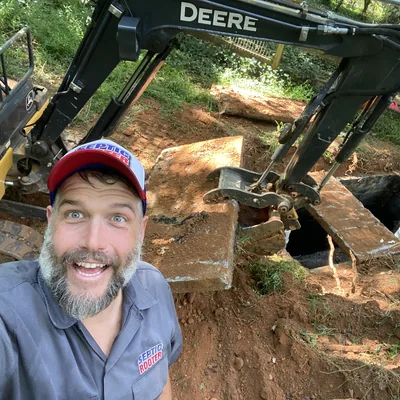
The SepticRooter teamRob and Beth at a SepticRooter trade show boothSepticRooter crew on a jobRob and his son by the truckBeth Simmons, SepticRooterRob on a tough repairRob at the controlsRob and Beth at Harry Norman RealtorsCrew digging inRob at the tank lidSepticRooter tech with a failed pipe pulled from a repairRob inside the tankRob at a job siteRob and Beth at Mark Spain Real EstateRob Simmons on Fox 5 AtlantaRob on the excavatorSepticRooter tech holding a failed outlet baffleRob and his son by the vanTeam on the jobRob and Beth at a SepticRooter eventRob and son after the jobTwo happy techniciansFull crew on siteRob selfie in the trenchTeam by the truckRob waving from the trenchTeam photo indoorsRob with the pipesRob in the pitRob selfie with equipmentRob after the jobThe SepticRooter teamRob and Beth at a SepticRooter trade show boothSepticRooter crew on a jobRob and his son by the truckBeth Simmons, SepticRooterRob on a tough repairRob at the controlsRob and Beth at Harry Norman RealtorsCrew digging inRob at the tank lidSepticRooter tech with a failed pipe pulled from a repairRob inside the tankRob at a job siteRob and Beth at Mark Spain Real EstateRob Simmons on Fox 5 AtlantaRob on the excavatorSepticRooter tech holding a failed outlet baffleRob and his son by the vanTeam on the jobRob and Beth at a SepticRooter eventRob and son after the jobTwo happy techniciansFull crew on siteRob selfie in the trenchTeam by the truckRob waving from the trenchTeam photo indoorsRob with the pipesRob in the pitRob selfie with equipmentRob after the job